
The Job Project Blog
Honest conversations about faith, mental health, and following Jesus when life gets complicated. Scripture-centered, psychologically informed, and written for the believer who needs more than “just pray about it.

Some of God’s Greatest Mercies Feel Like Loss First.
Sometimes God’s pivot is mercy. Sometimes the plans we begged God to bless falling apart is actually His goodness toward us. Sometimes the relationship, friendship, or connection we fought so hard to hold onto ending is not punishment. Sometimes it is protection. Sometimes it is redirection. Sometimes it is love in a form we do not immediately recognize.

Sometimes God’s pivot is mercy. Sometimes the plans we begged God to bless falling apart is actually His goodness toward us. Sometimes the relationship, friendship, or connection we fought so hard to hold onto ending is not punishment. Sometimes it is protection. Sometimes it is redirection. Sometimes it is love in a form we do not immediately recognize.
So often, the version of life we imagined for ourselves not unfolding the way we hoped can quietly become one of God’s greatest gifts.
Here’s a very small but meaningful example that convicted me of this, yesterday. As many of you know, I love playing tennis. I have a great group of people I usually play with, and yesterday I reached out to see if anyone was available. No one was. And I mean absolutely no one.
I was disappointed. Part of it was because I was feeling physically anxious the past few days and desperately needed an outlet. Tennis is one of the most effective ways that helps me emotionally, mentally, and physically with the chronic anxiety I live with. I was counting on it. But it simply was not happening.
Eventually, I accepted it.
I did a small workout at home instead, and later that evening, after our daughter went to sleep, Chris and I ended up having one of the sweetest nights together.
We talked deeply about the things weighing on us.
We laughed.
We ate really good food.
We watched our favorite show right as it started getting especially good.
We connected in a way that brought so much peace and reassurance.
And as I laid in bed that night, I found myself genuinely grateful tennis did not happen.
Because in our time together, my anxiety finally had room to breathe and be processed. The laughter healed something in me because we laughed deeply and often. Gratitude grew in my heart as I remembered how blessed we are to live near places that bring us joy and comfort. Even the episodes we watched ended so perfectly it felt like a gift. And somewhere in the middle of all of it, connecting with him made the anxiety I had been carrying feel smaller, lighter, and more manageable.
God had all of this waiting for me instead.
Last night reminded me of something important. Sometimes what feels like disappointment is actually divine redirection.
Sometimes the interruption is holy. Sometimes the closed door is protecting us from missing the very thing our soul actually needs.
And yes, there are losses that hurt more deeply than missing a tennis day. There are disappointments that deserve to be grieved. There are prayers that feel painfully unanswered.
This is not about pretending those things do not hurt.

We do not bypass grief.
We do not minimize pain.
We do not force ourselves to call heartbreak easy.
But what if, while grieving honestly, we also held onto hope?
What if we remembered that we serve a God who is fully good, fully loving, and incapable of being cruel toward His children?
And we know that God causes everything to work together for the good of those who love God and are called according to his purpose for them. (Romans 8:28)
What if the redirection is somehow carrying goodness we simply cannot see yet?And what if, instead of only focusing on what was taken away, we slowly began noticing the unexpected ways God is still caring for us through it all?
Maybe we would start to see that His goodness was never absent.
Maybe it just arrived differently than we expected.

Faith, Mental Health, and the Healing the Church Needs
What if the church understood that true submission to the Spirit often begins with tending to the mind, will, and emotions rather than bypassing them through suppression or surface level behavior change? What if healing was not rushed past but entered with wisdom and care?
Being in the faith and mental wellness space is difficult. Many of us who have walked in this space and listened closely to others are seeing the same tension. The church is beginning to awaken to the importance of mental health, yet many congregations still struggle to fully embrace its necessity within the life of their people.
Scripture reminds us in Galatians 5:17 that the Spirit and the flesh are in conflict with one another. The desires of the flesh oppose the Spirit and the desires of the Spirit oppose the flesh. This inner battle is real and ongoing.
What the church at large, though not all churches, often overlooks is how deeply the mind, will, and emotions influence which voice we submit to in moments of trauma, stress, and anxiety. When someone has lived with depression, anxiety, or trauma and learned to cope through behaviors like emotional eating, they may come to Christ, learn God’s ways, and recognize the call to self control. They may try to stop through sheer discipline and behavior change. Yet when stress compounds and trust feels fragile, the old coping pattern often returns because it feels safer in the moment.
Shame follows, and the cycle continues.
But what if the church understood that true submission to the Spirit often begins with tending to the mind, will, and emotions rather than bypassing them through suppression or surface level behavior change. What if healing was not rushed past but entered with wisdom and care.
This is where mental health professionals serve an essential role. They are trained to understand how the brain and emotions respond to stress and trauma. They offer language, tools, and support that help individuals feel safe, empowered, and hopeful. From that place of safety, people are more able to regulate themselves when stress comes and choose the Spirit over the flesh, not out of fear, but out of trust.
Choosing the Spirit often runs against what we were taught, what the world models, and even what our instincts tell us to do. That reality must be acknowledged.
More often than not, people fall into sin not because they want to disobey God, but because sin feels like relief in overwhelming circumstances. It feels familiar. It feels safe.
Jesus tells us that in this life we will have trouble, but to take heart because He has overcome the world. Taking heart may mean seeking mental health support and allowing God’s grace to meet us in the middle of our mess rather than expecting ourselves to be healed outside of it.
If the church does not recognize this, we will continue to see believers grow older in age but not deeper in their relationship with the Lord.
That is why we exist, and why so many faith and mental wellness spaces exist. We equip churches and individuals with the support, services, and systems needed for mental health care so that believers and the body of Christ can grow authentically, care for one another deeply, live at full capacity, feel safe in complete dependence on God, and become the kind of people this world so desperately needs.
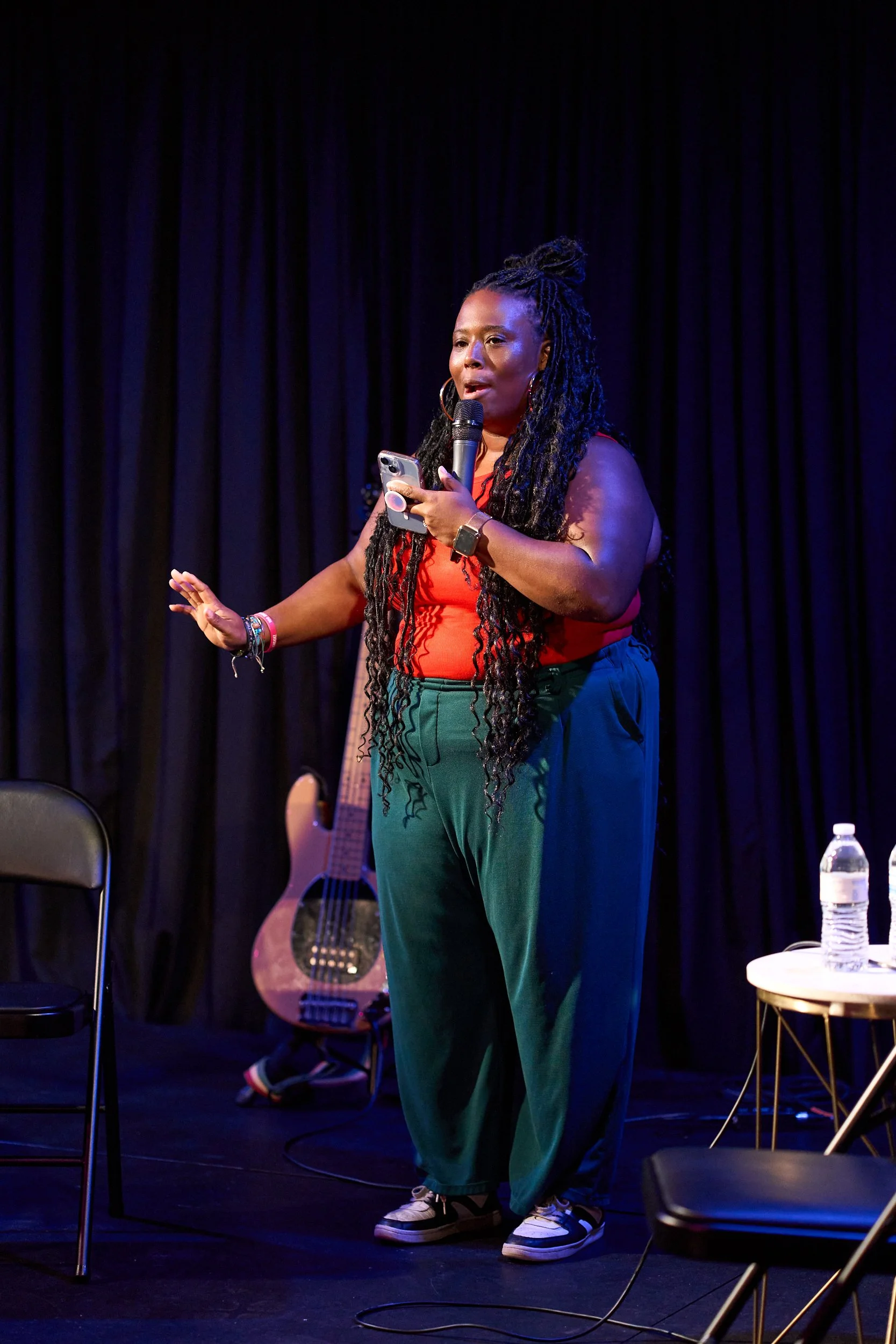
The Slow Unraveling of Shame
Shame often grows out of some of our deepest wounds, traumas, circumstances, and lived experiences. For many believers, encounters with God’s Word and conviction, when paired with an incomplete understanding of the Gospel, can unintentionally produce shame. We miss the mark, feel challenged by certain sins, and even after praying, repenting, fasting, or confessing, we still carry a lingering sense of failure. Over time, this cycle can lead us to hide from God instead of running toward Him.
Last night’s Mental Health and the Gospel session was deeply powerful.
Together, we explored what shame is, how it differs from guilt, and how shame can sometimes serve a purpose when it leads us to repentance that is fully covered by the redemptive work of Jesus on the cross. We created space to share honestly and vulnerably. We encouraged one another with testimonies of those who have and are still navigating areas of shame. We were left with the challenge to wrestle with, study, pray in, trust, and believe God’s grace as we identified the specific ways we want to combat the shame that shows up in our lives.
And I wanted to bring you all on that journey too.
Here’s a bit of my own journey with shame. My hope is that you might catch a glimpse of God’s redemptive work in it and be reminded that this kind of freedom is available to you too.
What Is Shame?
To begin, it’s important to define shame. Shame is a painful emotion rooted in feeling deeply inadequate, improper, or fundamentally flawed. At its core, it carries the belief that something is inherently wrong with who you are.
Shame is different from guilt.
Guilt says, “I did something bad.”
Shame says, “I am bad.”
Shame often grows out of some of our deepest wounds, traumas, circumstances, and lived experiences. For many believers, encounters with God’s Word and conviction, when paired with an incomplete understanding of the Gospel, can unintentionally produce shame. We miss the mark, feel challenged by certain sins, and even after praying, repenting, fasting, or confessing, we still carry a lingering sense of failure. Over time, this cycle can lead us to hide from God instead of running toward Him.
Even church culture and religious environments that do not fully embody and fully TEACH the Gospel of grace can reinforce shame, leaving people feeling exposed or condemned in the very places meant to offer healing, safety, and belonging.
At least, that’s been my experience.
My Personal Journey
Shame played a significant role throughout my life. Growing up as the child of Haitian immigrants, my parents, in good faith, sought to discipline and raise me into someone who would be valued by society and seen as “good.” That often meant that anything outside of traditional femininity, prioritizing self image, and social conformity was met with criticism.
As a tomboy who loved sports, competition, and beating the boys on the field more than sitting quietly on the playground with the girls, I was energetic, outspoken, socially confident, comedic, passionate, and loud. I still am. At the same time, I carried deep empathy and sensitivity, caring deeply for the plight of others. This combination often resulted in being told I was too much in some ways and not enough in others. I was told not to cry so much, not to be so loud, shrink to accommodate others…not to be who I naturally was. This was constant.
The deepest wound came from comments about my body. Despite being highly active and playing competitive tennis six to seven days a week, I was criticized heavily for my weight. I was blamed for the way my body naturally held weight instead of fitting into a thin ideal despite my overactive lifestyle and being forced to diet. I was made fun of for my weight. I desperately sought after male validation yet never felt good enough to be truly loved.
The message I heard repeatedly was this: “You have a beautiful face, but unless you lose weight, you will never attract the man you want.”
Those words became scripts spoken over me and into me. Combined with people pleasing tendencies, they shaped how I saw myself. I constantly compared myself to others, assumed others were better than me, envied them quietly, and constantly wished I could be someone else.
How Did I Begin to Heal?
How did I finally start to overcome the pervasive and all encompassing presence of shame in my life? My answer is simple.
Embracing radical compassion and radical grace.
Not a self generated compassion or grace that relies on my own strength, but a deep internalizing of the unrelenting, never ending, unconditional compassion and grace of Jesus Christ. Grace that does not depend on me getting it right.
This was not easy. It required significant unlearning and rewriting.
Therapy became one of the most transformative tools in my healing. My therapist consistently helped me recognize that the harsh scripts and inner critic I lived with were not my own voice and certainly not God’s voice. They were the voices of others that I had internalized.
Once that truth settled in, I began the work of truly getting to know myself and living it out. Who am I really? What do I enjoy? Am I really loud, socially confident, and exuberant? Then I can embrace that and use it to build connection and hospitality with others. Am I empathetic, analytical, and highly sensitive? Then I can embrace my calling in mental health coaching and spiritual care. Am I competitive and still love beating the guys in tennis and any other sport for that matter? Yes, so tennis is still a constant place of self-care and joy in my life despite it being a source of pain in the past.
Where I Am Now
In this current season, God is addressing my deepest area of shame: body image. Even with insight into where the shame came from, forgiveness toward those who hurt me, medication support for OCD/anxiety/depression, and improved self care, I still struggle deeply with comparison. Envy. Jealous thoughts that lingered beneath the surface, and an unrelenting scrutiny of my own body.
I tried dieting, constant exercise, calorie counting, and hyper vigilance around food. None of it worked. Not because the practices themselves were wrong, but because they were ALL rooted in shame. I was still trying to shape my life around an identity and BODY that didn’t belong to me.
The Holy Spirit convicted me profoundly this past year. As I began a weight loss journey again, God did not ask me to fix myself. He asked me to bring the internal battle to Him in prayer, ask a few others to pray with me, and to follow His lead in healing shame first. He invited me to make health decisions from a place of genuine love and grace for myself rather than punishment and criticism.
To this day, I am choosing to trust God’s flexible yet freeing process. I am trusting His grace more and more, even in moments when my faith wavers (which still happens and is totally NORMAL!).
For me, that means noticing envy and jealousy when they arise, confessing them to the Lord, asking for a reminder of His grace and responding by actively choosing ways to celebrate the body He gave me. Right now, it’s investing in new clothing, hairstyles, foods, and activities that feel authentic and life giving to me.
It means no longer running from environments where comparison tends to rise most strongly, but instead choosing to confess those thoughts honestly to God and fully surrender them into His care. It is trusting that He is shaping my heart and strengthening my spirit, step by step, teaching me how to love and embrace both myself and others more freely along the way.
It means embracing Jesus’ invitation in Matthew 11:28–30 to rest. Resting from society’s broken and inconsistent standards of beauty. Letting go of living by systems rooted in comparison and harm. Choosing instead to set an intention to embrace where I am EVERY. SINGLE. DAY. and allowing God’s approval, my own, and my husband’s to be enough.
and…I am still a work in progress. You are too.
God’s radical compassion and grace invite us to accept the process, lean fully into dependence on Him, and trust His leading toward greater freedom, all while He grows in us the courage to become who we truly are in a world that constantly pressures us to conform.
And that freedom is worth the journey.
Praying you too will begin yours,
Valerie
♥️

A Set of Reminders for the Believer
And if your mental health symptoms remain after the prayers, the fasting, and all the “right spiritual things”, maybe the question is not why they are still there. Maybe the question is this. What does it look like to trust God in the presence of the symptoms instead of waiting for their absence?
1. If you have accepted Jesus, you have been justified by faith. God approves of you completely. Not because your past is clean. Not because your present is impressive. Not because your future will be flawless. He approves of you because you believed in Jesus and because you know how desperately you need Him. Settle in that. Make peace with it. Then live like someone who is finally free. This freedom was never locked away or withheld from you. It has always been yours.
“Therefore, since we have been justified by faith, we have peace with God through our Lord Jesus Christ.” Romans 5:1
2. The grace and love God gives is unrelenting and it does not make sense to the human mind. No, we do not deserve it. No, we cannot earn it by reading our Bibles every day, praying without ceasing, or serving in church until we are exhausted. It was not achieved. It was given. Spend every day for the rest of your life leaning your full weight into that truth. Let it free you from manmade systems of trying to feel worthy or act good enough to receive more of God’s love. You are not working toward the gift. You already have it. The invitation is simple. Receive.
“For by grace you have been saved through faith. And this is not your own doing; it is the gift of God,” Ephesians 2:8
“For the wages of sin is death, but the free gift of God is eternal life in Christ Jesus our Lord.” Romans 6:23
“If you then, who are evil, know how to give good gifts to your children, how much more will your Father who is in heaven give good things to those who ask him!” Matthew 7:11 ESV
3. Shame does not come from God. It may come from years of self criticism. It may come from the voices of others. It may come from the enemy who accuses day and night. The conviction from Holy Spirit ALWAYS has a redemption arc attached to it.
But if it sounds condemning and carries no trace of Jesus’ love and grace, it is not God. Period.
“There is therefore now no condemnation for those who are in Christ Jesus.” Romans 8:1
4. And if your mental health symptoms remain after the prayers, the fasting, and all the “right spiritual things”, maybe the question is not why they are still there. Maybe the question is this. What does it look like to trust God in the presence of the symptoms instead of waiting for their absence?
“But he said to me, ‘My grace is sufficient for you, for my power is made perfect in weakness.’ Therefore I will boast all the more gladly of my weaknesses, so that the power of Christ may rest upon me.” 2 Corinthians 12:9

Learning From a Gentle and Humble Savior
“Come to me, all you who are weary and burdened, and I will give you rest. Take my yoke upon you and learn from me, for I am gentle and humble in heart, and you will find rest for your souls. For my yoke is easy and my burden is light.” We quote this passage often, usually in response to someone expressing exhaustion or a need for rest in the Lord. Yet we frequently overlook the practical implications of what Jesus was actually saying in its original context.
Happy New Year, Job Project family. I pray you all had a restful and wonderful holiday season. I took two full weeks of rest and during that time the Lord met me with a revelation I did not expect. It left me reflecting on how little true rest I have actually experienced over the years.
I am only 33 years old, a wife, a mother, and a business owner. I juggle many responsibilities while trying to maintain relationships, some version of a social life, exercise three to four times a week, drink enough water, plan meals, manage our household, and discern what ministry and serving at church will look like in this season. So in His beautiful timing, God has once again been teaching me about grace and what it truly looks like in Matthew 11:28–30.
“Come to me, all you who are weary and burdened, and I will give you rest. Take my yoke upon you and learn from me, for I am gentle and humble in heart, and you will find rest for your souls. For my yoke is easy and my burden is light.”
We quote this passage often, usually in response to someone expressing exhaustion or a need for rest in the Lord. Yet we frequently overlook the practical implications of what Jesus was actually saying in its original context.
When Jesus says “weary and burdened,” He is speaking to those who were striving to live by the religious law of the time. He arrived in a moment that challenged the status quo of faith. The customs, rituals, and traditions that governed daily, monthly, and yearly life were heavy expectations placed on the Israelites. While these practices mattered, the law often served as a constant reminder of how people fell short of God’s standard. Over time, faith became more about appearing pious and devoted than cultivating a genuine relationship with God.
Jesus came to turn that upside down. Not to abolish worship, gathering, or spiritual practices, but to invite people into a new way of relating to God where the pressure to appear perfect was no longer the measure of faithfulness. That is good news for those of us who feel compelled to do more, fix ourselves, fix our circumstances, and perform godliness. Instead, Jesus offers rest for our souls. He reminds us that He is the one doing the transforming work within us.
When something in our hearts needs to change, the Holy Spirit will convict us directly or use our trusted community to guide us. Our role is simply to take His yoke.
The second part of verse 29 stopped me in my tracks. Jesus says, “Learn from me, for I am gentle and humble in heart.” While the Greek offers multiple definitions for these words, what stood out to me was His meekness. His lowliness of heart reveals that He is not self serving. So often obedience to God feels costly. Letting go of what we want, saying no when we would rather say yes, and releasing relationships or outcomes we desire can feel deeply painful. Many of us, myself included, have thought, “God, why are you asking so much of me? How does this help anyone, myself included? I know others will receive from my obedience, but I feel my needs/wants are being discarded and abandoned.”
The Holy Spirit showed me that when I am asked to surrender my version of how things should go, even when it conflicts with my instincts or preferences, God’s heart toward me is not only how I can glorify Him and bring others to know God, but it’s about my good too. It is about forming me into the likeness of Jesus and leading me into true freedom from the weight, trauma, hurt, and chaos of this world. Not to deny its reality or pretend it does not affect me, but to live with a hope and strength that surpass it. Jesus lived from that place. He endured the cross anchored in that hope, and His soul found rest there. That same rest is offered to all of us.
Now this part of the final verse “my yoke is easy and my burden is light” can feel confusing. Following Jesus does not always feel easy or light. Carrying our cross daily can feel anything but. So what does Jesus actually mean?
His yoke is obedience to His commandments through the power, conviction and kind guiding of the Holy Spirit. Not through our own strength. Not through behavior modification. Not through saying all the right things in Bible study while hiding our actual struggles. Not through striving for perfection when Scripture exposes patterns of sin or broken thinking. Not through rebuking, renouncing and repenting perfectly.
It is about allowing the Holy Spirit to convict and guide us, and choosing to follow His often slow, but sure leading. It is about reading Scripture through the lens of grace, seeing Jesus’ heart as a teacher and shepherd, rather than trying to fix ourselves through sheer effort.
As we step into 2026, I want to challenge you to let go and truly rest. You do not have to play the role of the Holy Spirit in your own life. If you miss a day of prayer, receive the grace that has already been given to you and ask God to help you stay connected through genuine, ongoing communication with Him. If your yearly Bible plan feels overwhelming, slow down. Sit with the passage the Holy Spirit is drawing your heart toward and take all the time you need to let it transform you. If serving has become exhausting to the point of burnout, it may be time to pause yet continue to remain connected through community, worship, Bible study, and fellowship while you receive God’s love, peace, and direction in a season of reflection.
You will likely hear me talk more and more about God’s grace. Because if we are going to experience the rest Jesus describes in Matthew 11, our focus cannot remain on how we fall short. It must shift toward God’s immeasurable love and grace for us, and learning how to walk through life from that reassurance.

What Grace Builds When I Feel Broken
So if His grace, and not my ability, is what gives me the right to do His will, then even if I show up with the little 10% strength I have, His 90% (and beyond) can go further than my capacity ever could. Because it was never supposed to be about my strength anyway.
To be honest, I wasn’t sure what to write. I don’t have any deep reflections or revelations from the Lord that feel “worth” sharing today. But that might just be the depression talking. shrugs
What hit me, truly like a ton of bricks yesterday, was this idea that sometimes you just have to keep going regardless of how uninspired you feel, how little motivation you have, or how depleted your energy seems. And then, on top of that, comparison decided to show up. My timeline was full of brilliant content creators in the mental health and faith space. And while I genuinely enjoy their work by commenting, subscribing, engaging in their content, my mind still drifted toward thoughts like: Look how great they are. Look how many followers they have. Look how much more they can do or say.
Comparison, for me, often opens the door to shame and those familiar thoughts of not feeling good enough. And once shame settles in, it paralyzes me. Suddenly I don’t want to create, write, post, counsel or anything God has asked me to do in this season.
Yesterday, I even planned to skip Bible study and just listen to a Christian podcast I’d started. But God gently redirected me back to Romans 1, which I’ve been studying for a while, and the next verse on my list was verse 5.
“Through Christ, God has given us the privilege[a] and authority as apostles to tell Gentiles everywhere what God has done for them, so that they will believe and obey him, bringing glory to his name.”
In the ESV version, the word privilege translates directly to grace…
Paul is talking to the church in Rome about Jesus Christ, and right at the beginning of the letter he says we have received grace and apostleship (authority, leadership, privilege) to share the good news so that people might believe, submit, and bring glory to God’s name. And because I am a believer in Jesus Christ, called to the same purpose of spreading the good news, that same reality applies to me by God’s grace alone.
This verse that seemed so random (as if anything in Scripture is truly random) struck me deeply. Paul never said that their privilege or authority depended on their own ability to obey perfectly, preach perfectly, teach perfectly, love perfectly. Because it came from God, it wasn’t about their ability at all. It was rooted in His favor, His love, and His abundant grace poured over Paul to do the work he was called to do and go beyond him when his strength failed him. (2 Corinthians 12:9)
And that reminded me: God’s grace gives me the grace, privilege and authority, to do what He’s called me to do, even in the midst of depressive symptoms, an anxiety disorder, financial stress, grief… all of it.
So if His grace, and not my ability, is what gives me the right to do His will, then even if I show up with the little 10% strength I have, His 90% (and beyond) can go further than my capacity ever could. Because it was never supposed to be about my strength anyway.
So, yeah. Hopefully you can see that if you’re a believer in Jesus Christ, called to His purpose on this earth, then those days where you’re dragging your feet with only 10% to give, the days where you’re thriving at 90%, or the days where you coast through at 50%...none of that disqualifies you from the call. My depressive symptoms may make it harder for me to concentrate, think creatively, pray, or hold onto the Cross. Especially when comparison creeps in and sends me spiraling into analysis paralysis. But Romans 1:5 remains clear.
God never banked on my ability. He only needed my “yes” and my willingness to offer what little I think I have. His grace takes care of the rest. Every single time.
So hold on to that truth today. Because no matter what stands in your way, whether today or in the days to come, His grace will work in you, for you on YOUR behalf, and through you… even in spite of you.

Holding Steady: A Faith Filled Approach to Emotional Regulation
In Psalm 77, we are given a beautiful blueprint of what emotional regulation can look like in real time for the believer. Asaph, a psalmist, is navigating deeply tumultuous emotions. We are not told exactly what he is going through, and I would even venture to say that God may have left it that way so that we can see ourselves reflected in the psalmist’s words.
Last night’s Mental Health and the Gospel 002 was truly amazing. We explored what emotional regulation is and what it looks like to navigate the ups and downs of life while still being able to find balance and return to baseline in the midst of everything happening around us. In Psalm 77, we are given a beautiful blueprint of what emotional regulation can look like in real time for the believer. Asaph, a psalmist, is navigating deeply tumultuous emotions. We are not told exactly what he is going through, and I would even venture to say that God may have left it that way so that we can see ourselves reflected in the psalmist’s words.
You really had to be there to fully grasp all that we discussed, but here are a few takeaways that I hope will help you along the way.
Step One: God invites us to identify and express the emotions leading with vulnerability and raw honesty
Psalm 77:1-4
I cry out to God; yes, I shout.
Oh, that God would listen to me!
When I was in deep trouble,
I searched for the Lord.
All night long I prayed, with hands lifted toward heaven,
but my soul was not comforted.
I think of God, and I moan,
overwhelmed with longing for his help. Interlude
You don’t let me sleep.
I am too distressed even to pray!
The psalmist expresses with raw vulnerability what he’s feeling and the experiences of God he’s having. He lays it all out in song, writing, and I bet there were some tears shed. For you this could look like journaling, praying through a workout as you help your body release tension, anger and anxiety, crying in worship, talking to a trusted friend, mentor, pastor, etc. God gives us space to express real vulnerable thoughts freely to Him and those He’s entrusted to our care.
Step 2: Notice the beliefs and thought patterns you hold that your emotions are pointing out.
Psalm 77: 7-10
Has the Lord rejected me forever?
Will he never again be kind to me?
Is his unfailing love gone forever?
Have his promises permanently failed?
Has God forgotten to be gracious?
Has he slammed the door on his compassion? Interlude
And I said, “This is my fate;
the Most High has turned his hand against me.
The psalmist feels abandoned by God, as though he has been rejected and cut off from compassion. Notice the questions he asks. These are not firm statements but vulnerable thoughts that may be fueling the emotions rising within him. He even shares that thinking about the Lord caused him to groan, showing that his experience of God in that moment felt deeply painful and negative, as if this abandonment was permanent.
For you, this might look like intentional journaling with guided prompts that help uncover your underlying thoughts and beliefs. It may also mean reaching out to a therapist, counselor, coach, or trusted loved ones who can help you gain perspective on what you are thinking and where those thoughts may be coming from.
Like us, the psalmist expresses real and valid emotions, yet what stands out is that as he names his feelings and the thoughts behind them. However, he does not stay there.
Instead, we are invited to notice what he chooses to do next…
Step Three: He reminds himself of the Truth.
Psalm 77:11-12
But then I recall all you have done, O Lord;
I remember your wonderful deeds of long ago.
They are constantly in my thoughts.
I cannot stop thinking about your mighty works.
The psalmist does what I like to call fact checking, but notice he does not rush to it. He first acknowledges where he is emotionally and mentally, then allows the Holy Spirit to help him remember the truth he has hidden in his heart. In Philippians 4, a passage many believers cling to when navigating mental health challenges, we are encouraged to think on what is true, honorable, just, pure, lovely, and worthy of praise because these truths anchor us in who God is through what Jesus has done. In the same way, the psalmist begins reminding himself of God’s works from the past. THAT HE KNOWS and BELIEVES IN, calling them wonderful and keeping them at the forefront of his mind. Even though his emotions make it feel as if God is distant, he cannot stop returning to God’s goodness.
I implore you to read the Word and intentionally look for aspects of God’s character that speak directly against the false thoughts you are noticing. Remind yourself of what God has done in your own life, the moments you know without a doubt were real because you experienced His presence, saw Him come through, and witnessed His power firsthand. Bring to mind His faithfulness, His goodness, and His unrelenting grace.
And when holding on to His truth feels difficult, cling to the Gospel of grace that meets you exactly where you are, goes before you as you move forward, and gives you the hope to see God clearly even in the middle of the storm.
Truth does not eliminate emotions, but it does bring perspective to them.
I pray this Wellness Wednesday newsletter offered you clarity as you continue navigating God’s grace through the ups and downs of your personal life, the world around you, and the practice of inviting both God and trusted others into the journey.
And speaking of wellness… we will be taking a two week break for the holidays to rest, enjoy time with family and friends, and return refreshed for 2026. If you would like to stay connected with The Job Project during that time,
I invite you to tune into our podcast and our socials, where we explore topics like this and so much more.
We love you all, and we’re praying for you and your loved ones to have a joyful and restful holiday season.
See you in 2026.

I’m exhausted. I bet you are too.
I took a much-needed break from work (hence no newsletter last week) and rested as much as one can as a SAHM with her husband home. I did all the “right” things: self-care, exercise, reading, time with loved ones. And yet, these intense waves of sadness kept creeping in.
The weeks leading up to Thanksgiving usually bring out a lighter, more joyful version of me. Thanksgiving and Christmas are my favorite holidays—decorating the apartment the week of Thanksgiving, gathering with family and friends, eating good food, soaking it all in.
I took a much-needed break from work (hence no newsletter last week) and rested as much as one can as a SAHM with her husband home. I did all the “right” things: self-care, exercise, reading, time with loved ones. And yet, these intense waves of sadness kept creeping in.
At first, I assumed it was grief—grief from the major transitions my family has faced in recent months. Maybe it was the weight of daily responsibilities, work, and ministry slowly wearing me down. The laundry started piling up, dishes sat for a day or two, meal planning slipped to the back burner. I told myself, Just push through. Keep going.
But today, after checking in with my mental health provider, I had to face what was actually happening: I was experiencing symptoms of clinical depression.
Yes, I’d been sad. Yes, I’d been exhausted, unfocused, apathetic, wrestling with self-doubt. But I brushed it off as “just life.”
Nah fam. Mental health disorders are nothing to play with.
Sometimes major stressors, prolonged survival mode, or simply the heaviness of the world around us shows up in our bodies and minds before we even realize what’s happening. And even though I’ve been seeking God’s love and grace, leaning on community, exercising, resting, and doing everything I thought would help, I still couldn’t “outrun” the symptoms.
So how did I miss the signs?
And that’s what I want to talk about.
The moments when we do all the “right things” and still find ourselves struggling.
You’re seeking the Lord fervently, growing closer to Him, and even though your wilderness season isn’t over, you’re starting to find hope again. You’re engaged in prayer, community, therapy, meds, staying connected… and yet, sometimes symptoms still reappear.
So what do we do when exhaustion makes even the basics feel like a battle?
We lean on God’s grace. And we ride the wave.
Paul gives us a helpful perspective in 2 Corinthians 12:7b–10. I’m not sure what your “thorn” looks like, whether mental health symptoms, physical pain, financial stress, or family conflict but I take comfort in this reminder:
“My grace is sufficient for you, for my power is made perfect in weakness.”
God’s strength doesn’t require us to be strong. His power is revealed right where our limitations begin.
The fact that I can still show up, post on social media, prepare consultation materials, support others, care for my family, be there for my friends and care for myself is nothing but the grace of God on display. Because when I look back, I know what I was feeling in those moments. I simply showed up in obedience. And God took the reins.
So take comfort in whatever season you’re in. Whether it’s physical strain, mental health struggles, financial drought, or family tension.
God is fighting for you, working in you, and working through you… even when you feel like you have nothing left to give.
Praying for you,
Valerie

How Therapy Revealed God’s Grace in a Way Church Never Did
Grace has been on my mind lately because I’ve been boggled down by shame for years. I’ve heard teaching about grace, prayed through it, wrestled with it, and sometime recently, along the way, I realized something painful but freeing: I wasn’t actually living under grace. I was living under law. (Romans 6:14)
Grace has been on my mind lately because I’ve been boggled down by shame for years.
I’ve heard teaching about grace, prayed through it, wrestled with it, and sometime recently, along the way, I realized something painful but freeing:
I wasn’t actually living under grace. I was living under law. (Romans 6:14)
As the eldest daughter of Haitian immigrants, who projected their own unspoken wounds onto myself and my siblings, I grew up battling my sense of worth desperately seeking validation and love from others. And when I became a believer, I simply carried that same approval-seeking into my walk with God. I wanted Him to be pleased with me. I wanted to get it right whatever the cost.
Severe anxiety was always there, but I never had full awareness of or language for it until 2018, when I finally learned that the spiral of obsessive thoughts, the constant second-guessing, and the desperate hunger for approval and doing things “just right” had a name.
So even though I heard, from the pulpit, in small groups, in discipleship, that I was “under grace” I still lived as though I needed to obey, think and believe perfectly for God’s approval.
But when my mental health crashed, so did that fragile version of my “faith”.
I backslid heavily.
I battled severe OCD symptoms.
I fell into the deepest depressive episode of my life.
Hope felt completely out of reach.
And then, God led me to therapy.
Where Grace Found Me
Therapy became the place where God’s grace finally made PRACTICAL sense.
My therapist stepped into the shadows of my mind with courage and compassion. She reminded me that my battles were human, not spiritual disqualifiers. And through her, the Holy Spirit spoke loudly, showing me that the shame I dragged around and the lies I believed about myself had no power to change God’s heart toward me. He never required striving or perfection to love me.
For the first time, I was told that God wasn’t demanding I fix myself.
He wasn’t waiting for a “better” version of me.
He wasn’t disappointed in my humanity.
And that’s where the real battle began.
Could I actually believe a perfect God truly loves me as I am? Messy thoughts, mental health struggles, doubts, backsliding and all?
Could He really call me righteous while I was still wrestling with my faith in Him?
Could grace be this wide… this deep… this real?
Grace in the Middle
It took years of setbacks, healing, medication, and most recently, a season of deep stretching. But through every high and low, one truth has outlasted everything:
God’s grace was enough to carry me, is enough to sustain me now, and will be enough to keep leading me forward.
Enough for my weakness.
Enough for my symptoms.
Enough for the flaws and sinful patterns I know and the ones I haven’t discovered yet.
It wasn’t until I truly surrendered—not just intellectualized or forced myself to believe what I didn’t yet feel—that I accepted nothing I do or fail to do can separate me from His love (Romans 8:35). When I asked God to show me Himself and what His grace truly was, real hope returned. Not the naïve idea that “everything will work out,” but the steady assurance that He is with me and that His grace is enough.
Our bills are still high and debt is still increasing.
Our mental health still needs daily tending.
Our future still feels uncertain.
And yet, I have hope.
Because if His grace covers, shields, sustains, and empowers me (2 Corinthians 9:8; Psalm 5:12)… then I can keep showing up. I can keep sowing seeds even when the soil looks barren. I can stand in the tension, in the lack, in the waiting, in the unknown because His grace holds me steady, not my own willpower and fortitude.
His grace fuels me with the joy, strength, and willingness to do what He asks, even before I see the harvest.
Maybe This Is for You Too
I don’t know where you are in your journey.
Maybe you’re tired.
Maybe you’re wrestling.
Maybe you’ve been carrying shame for struggling at all.
But here’s what I know:
Many believers, young, old, new, or seasoned, have never truly grasped how present, practical, and powerful God’s grace is. Because if we TRULY did, our entire posture toward trials, mental health battles, fear, and failure would shift.
We would trust more.
Rest more.
RECEIVE more.
Strive less.
And believe, REALLY believe that we will be okay, that we fight from victory, that we can actually do all things through Christ (Philippians 4:13) because God is with us, and His grace is more than enough to make up the difference.
And maybe, just maybe, that’s what He wants you to remember today.

The Wilderness Sucks Until It Doesn’t
I’ll be honest, I don’t enjoy wilderness seasons. Why? Because I work very hard to avoid the droughts, the dry places, the spiraling thoughts, the emotional heaviness, the anger (toward everyone and everything… including God). The wilderness is brutal. It’s dry. And nothing seems to make sense. But here’s what I’ve rediscovered — because this isn’t my first wilderness season: Oftentimes the wilderness is actually God’s kindness.
I’ll be honest, I don’t enjoy wilderness seasons. Why? Because I work very hard to avoid the droughts, the dry places, the spiraling thoughts, the emotional heaviness, the anger (toward everyone and everything… including God).
The wilderness is brutal. It’s dry. And nothing seems to make sense.
But here’s what I’ve rediscovered — because this isn’t my first wilderness season:
Oftentimes the wilderness is actually God’s kindness.
Not punishment.
Not abandonment.
Kindness.
Because in the wilderness, what we really cling to, what we actually worship, starts to surface. And I don’t like when people get vague or deep without being practical… so let me put myself on blast.
My wilderness looked like this:
Fear that we wouldn't be able to pay our bills.
The threat of eviction.
Old wounds from relationships I thought were healed.
Shame from not landing a job even though I prayed and tried.
OCD symptoms.
Higher depressive symptoms.
Passive suicidal thoughts.
Wondering if hope would ever return.
I know God is my provider (Philippians 4:19).
I’ve watched Him come through for me before.
But this time felt different.
Harder.
Heavier.
We moved away from everything familiar, so on top of financial pressure and uncertainty, there was homesickness and grief. And I cracked.
I told God, “I don’t have hope anymore. Not in You. Not in anything.”
I knew His track record, based on His faithfulness in the past, but in this season, I doubted His heart. And that’s when God began revealing what was really going on:
My hope wasn’t in God — it was in outcomes.
Specific outcomes.
Ideal outcomes.
The way I wanted life to unfold.
He showed me I was clinging to dreams of what could be more tightly than I clung to Him, the One who gives all good and perfect gifts. (James 1:17). And every time I tried to “fix it,” push harder, stay strong, be self-sufficient…
…I ended up right back at square one.
Then the wilderness did what it’s meant to do:
I surrendered.
Not because I was holy.
Not because I trusted easily.
But because I had nothing left.
I asked God to help me hope in Him again — because I couldn’t do it on my own.
So I stopped clinging to the outcome, and I started clinging to Him:
Studying more of His character
Learning more His ways
Seeing Him reveal who He has always been
And slowly… the heaviness began to lift.
What does that mean for you?
Maybe the circumstances aren’t changing because God wants to change you.
Not to punish you.
Not to shame you.
But to free you from what’s holding you hostage.
In the wilderness, He gently removes:
coping mechanisms that numb instead of heal
patterns that keep us overwhelmed and stuck
false securities that fail us every time
It feels like loss. It feels like death at times. But it’s actually liberation. Because the goal isn’t to get out of the wilderness. The goal is to learn who God is in it.
Life is heavy.
Sin is real.
And Jesus told us there would be trouble (John 16:33)
Trials, tribulations, hardships and wilderness seasons.
But He also promised:
hope beyond what we see (2 Corinthians 4:17–18)
restoration after suffering (1 Peter 5:10)
He wants you grounded in something stable, sound, and eternal.
Him.
Your wilderness is not the end of your story. It might be where God is making you whole.

What if hope doesn’t depend on a breakthrough?
Maybe you’re in a similar place. Maybe your dissatisfaction is revealing something deeper — grief over what you thought life would look like, or what you expected your walk with God to be. Maybe you need to be honest with Him: “God, I don’t trust You right now.” Or, “I don’t even have it in me to hope.” And that’s okay. Let Him do the heavy lifting. Be human enough to admit your anger, fear, or apathy — and let Him carry you through it.
A few weeks ago, I was ready to give up.
We obeyed You, Lord.
We moved from the place we called home.
We stepped into uncharted waters and our finances sank.
We can’t pay our bills. I’ve applied for countless jobs and been denied every single one. Four recruiters — no prospects. I made it to the final round for a position and was still turned away.
On top of that, I battle OCD. My husband wrestles with depression and trauma. Life already felt heavy, and then it became unbearable. We make just a bit too much to qualify for government assistance, yet not enough to stay afloat. The calls, emails, and letters from bill collectors haven’t stopped.
“God… where are You?”
A few weeks back, I shared how Psalm 77 was keeping me above water. Phrases like “When I think of God, I moan… You have closed Your door of compassion on me” resonated deeply. That’s exactly how I felt.
For weeks, I lived in that space, surrounded by well-meaning encouragement, from friends and family, about God’s promises and faithfulness, but honestly… I didn’t want to hear it.
How can I see His faithfulness when everything keeps getting worse?
So I clung to Psalm 77. I meditated on His past faithfulness. And I stayed there. But as I continued to sit in that space, something began to shift.
I prayed, “God, if You want me to trust You now, I need YOUR HELP to see Your faithfulness now. Not just in the past, not far off in the future but here, today. Because I can’t make it otherwise.”
And in typical God fashion… He answered.
A Changed Perspective
As I kept reflecting on His goodness in the past, He began showing me His faithfulness in the present — not by changing my circumstances, but by changing my perspective of what His goodness actually looks like.
Common sense, right? Of course we should align with God’s will over our own. But it’s so much easier said than done.
He convicted me to study and pray, and He began teaching me about contentment, goodness, and His glory:
Ezekiel 1 reminded me that God’s glory is beyond logic or human understanding.
Ezekiel’s description of God’s throne is bizarre, yet that’s how God chose to reveal His Kingdom. Maybe the hard, illogical, even “shameful” circumstances in our lives can also display His glory — if we surrender our limited perspective.
1 Timothy 6:6–8 reminded me that “godliness with contentment is great gain.”
Paul is writing to Timothy about what real wealth looks like. If you’re growing in godliness and can find contentment (this sense of self-sufficiency and satisfaction) in it, then you are rich. And if you have basic needs met, like food and clothing, you should be content.
I have food. I have clothing. And God is at work sanctifying me. Everything beyond that, my home, family and friends, furniture, a car, hobbies, and experiences, is pure overflow of God’s faithfulness and goodness.
The American lifestyle often distorts our view of God’s goodness in this way, because our ideas of wealth and success are about “abundance”. I’m not dismissing the challenges you face, and I don’t think Paul was either. He endured unimaginable hardships for Christ. Yet, he still highlights the importance of contentment and FOUND it.
A Deeper Hope
My hope is no longer in breakthrough.
My hope is in Christ. (Romans 5:3–5)
When I pray now, I release my requests to however He sees fit to answer not how I expect Him to. Because He knows best.
Maybe you’re in a similar place. Maybe your dissatisfaction is revealing something deeper — grief over what you thought life would look like, or what you expected your walk with God to be. Maybe you need to be honest with Him:
“God, I don’t trust You right now.”
Or, “I don’t even have it in me to hope.”
And that’s okay. Let Him do the heavy lifting. Be human enough to admit your anger, fear, or apathy — and let Him carry you through it.
I’m still wrestling. Still anxious and beyond stressed. Still unsure of what’s next.
But His goodness and faithfulness are clearer to me than ever before.
And that gives me hope — not just for eternity, but for now...
“I will see the goodness of the Lord in the land of the living.” (Psalm 27:13)
Dare to hope again — but let God do it.
He delights in keeping you. (Jude 24)

When Anxiety Feels Like Double-Mindedness: Seeing God Beyond the Outcome
But the tone in her voice said it wasn’t really okay. She was trying to brace herself for disappointment before it arrived. She confessed that this back-and-forth made her feel double-minded , caught between faith and fear, and she referenced James 1:8, wondering if her anxiety might disqualify her from receiving what she was praying for. That’s when the Holy Spirit gave me what I can only describe as a divine download:
I was recently talking with someone I disciple. She was anxious about a new opportunity she’d been waiting on, hopeful, but hesitant. She wanted to believe it was from God, but fear and past disappointment kept whispering otherwise. At one point, she said something I think many of us have said:
“If God doesn’t come through, maybe it just wasn’t His will and that’s okay.”
But the tone in her voice said it wasn’t really okay. She was trying to brace herself for disappointment before it arrived. She confessed that this back-and-forth made her feel double-minded , caught between faith and fear, and she referenced James 1:8, wondering if her anxiety might disqualify her from receiving what she was praying for. That’s when the Holy Spirit gave me what I can only describe as a divine download:
“This isn’t just anxiety. This is a wrestle with believing that God’s goodness remains regardless of the outcome.”
What James Really Means by “Double-Minded”
James 1:5–8 tells us that if we lack wisdom, we can ask our generous God, who gives freely. But it also warns us not to waver and not to have “divided loyalty.”
That doesn’t mean we can never doubt or feel afraid. It means we’re invited to trust God’s character even when the outcome is uncertain. If you pray with a trembling heart, unsure of what’s next, that doesn’t mean you lack faith. It means you’re human. We crave control and stability, and when past or current trauma, mental health symptoms, or deep disappointment enter the picture, uncertainty feels unbearable. But I don’t think James is rebuking that kind of struggle. He’s redirecting our faith.
Not toward what we want God to do, but toward who God is.
Faith Isn’t Certainty in the Outcome — It’s Confidence in God’s Character
Praying in faith isn’t about being 100% convinced that what you’re asking for will happen. It’s about being 100% convinced that God is who He says He is, no matter what happens.
That’s the heart of steadfast faith. It’s saying:
“Lord, I believe You can. But even if You don’t, I’ll still believe You’re good.”
Just like Shadrach, Meshach, and Abednego, who stood before King Nebuchadnezzar and declared, “Our God can deliver us… but even if He doesn’t, we will not bow.” (Daniel 3:16 -25)
Their loyalty wasn’t divided between faith and fear. It was anchored in who God was even if their story didn’t end the way they hoped.
When Your Prayers Feel Unanswered
If you’re wrestling with fear, disappointment, or confusion in prayer, take heart. God is not rebuking you for feeling anxious or weary. He’s inviting you deeper into trust, not in the what, but in the Who. Yes, you may feel disappointed, discouraged, or even crushed when things don’t go your way. Scripture is full of people who did — David, Job, Jeremiah, even Jesus in Gethsemane. But all of them ultimately found their peace not in what God did, but in who He was in the middle of it.
Even If He Doesn’t…
If you’re feeling “double-minded” today, maybe it’s not a lack of faith — maybe it’s an opportunity to anchor that faith deeper.
Pray this with me:
“God, I believe this opportunity, this relationship, this healing could be Your will, and I’m asking boldly. But even if it doesn’t happen, remind me that Your goodness and faithfulness never change.”
Because true faith doesn’t just believe for outcomes. It believes for presence. And the God who meets you in the fire is still the God who saves.
When Hope Feels Distant and Discouragement Moves In
Because when disappointment and discouragement hit, hope can feel painful to carry. Sometimes it feels safer to let it go. But that’s the very place to bring it to God. Lament, like the psalmist did. If you don’t have the words, borrow them from Scripture. You’ll find you’re not alone. Many before us cried out, wrestled, even felt abandoned by God. But after the pouring out, comes the remembering.
Hey friends, it’s Valerie.
It’s been a while. Thank you for your patience.
Just wanted to share something that’s been on my heart, and something I need to hold onto in this season. I hope it helps you too.
Moving to Florida has been an “adventure”, to say the least. We’ve had to trust the Lord, and then trust Him again, through circumstances that have stretched us in ways we didn’t anticipate.
When external pressures make mental health symptoms flare, you suddenly realize every tool you learned in therapy isn’t optional, it’s survival. And the core tenets of faith become more than just belief; they become a daily practice. Community and God’s presence become lifelines.
Then, in those daily struggles, you begin to see His faithfulness, sometimes in the smallest, quietest ways. He provides just enough for today, like daily manna in the wilderness.
But then, BAM. More disappointment/discouragement crashes in. Worse than before. You were praying for the opposite outcome, believing God would move differently, and now you’re left reeling. What you thought you knew about Him and what you hoped for your life feels shaken.
Depressive symptoms lingers in the background. Anxiety and panic steal your sleep. Focus slips away because your mind is too burdened to stay still. And the questions rise: Where is God? Why does He feel so far? Haven’t I prayed long enough? Haven’t I tried my best to obey?
So how do you hold on when it feels like you’ve got nothing left? How do you stay encouraged when discouragement and trauma hit so hard that everything you’ve known seems unsteady?
The psalmist in Psalm 77 captures that raw cry:
“I cry out to God; yes, I shout. Oh, that God would listen to me!
When I was in deep trouble, I searched for the Lord.
All night long I prayed, with hands lifted toward heaven, but my soul was not comforted.
I think of God, and I moan, overwhelmed with longing for His help.” (verses 1-3)
It’s tempting to stop there. I’ve been tempted to stop there. I’ve lamented and wanted to stop there. Especially when this feels like your reality. But the psalmist doesn’t end with despair. He shows us the way forward:
“But then I recall all you have done, O Lord;
I remember your wonderful deeds of long ago.
They are constantly in my thoughts.
I cannot stop thinking about your mighty works.”
(verses 11-12)
Here’s where I’ve landed: when it feels almost impossible to keep believing God—when the blows of life speak the opposite of what He’s promised me or others—I’ve learned to cling to what I know I’ve seen Him do. I hold on to the small, tender ways He shows His personal love in the everyday.
Because when disappointment and discouragement hit, hope can feel painful to carry. Sometimes it feels safer to let it go. But that’s the very place to bring it to God. Lament, like the psalmist did. If you don’t have the words, borrow them from Scripture. You’ll find you’re not alone. Many before us cried out, wrestled, even felt abandoned by God.
But after the pouring out, comes the remembering.
Remind yourself of what you know to be true about Him. Go back to the basics. Recall the ways He’s shown up in your life, no matter how small they may seem:
The breath in your lungs.
The ability to walk.
A bed to rest in.
Food on your table.
A friend to call.
If we have food, clothing, and what we need, Paul says that is enough. The rest is grace upon grace.
“Yet true godliness with contentment is itself great wealth. After all, we brought nothing with us when we came into the world, and we can’t take anything with us when we leave it. So if we have enough food and clothing, let us be content.”
—1 Timothy 6:6–8
So, if discouragement feels like your daily bread right now, look for the little things God is doing. Trust Him to help you believe for the rest.
And remember: lamenting is not weakness. Don’t rush past your pain or try to “spiritually bypass” it. Bring it to Him. Again and again.
But also, whenever you can, choose to remember. Hold onto those glimpses of His faithfulness. And let Him sit with you and lead you into His rest.

Can I Be Angry with God about my Mental Health?
Can I be angry with God about my mental health? In short, yes, but there are levels to this!
In short, yes. But there are levels to this!
The Temptation of Anger
One of the most profound temptations we face in the midst of mental health challenges is the temptation to remain angry at God. It's easy to feel abandoned or betrayed when grappling with chronic stress or other mental health issues. However, as James 1 reminds us, there is value in counting it all joy, even in the midst of trials. This passage doesn't dismiss our feelings of anger but invites us to bring them honestly before God, seeking His wisdom and perspective.
There is also a temptation to suppress the anger we feel. As if the emotion of anger or frustration in and of itself is a sin against God. Which is not true! We have the ability to express our anger without sinning!
It's important to recognize that it's okay to be mad at God. Throughout Scripture, we see examples of faithful individuals expressing their anger and frustration, from Jesus in the temple to David in the Psalms. Ephesians 4:26-27 reminds us that we can be angry without sinning, but it's crucial not to let that anger fester or turn into bitterness. Instead, we're encouraged to express our emotions honestly to God, trusting Him to handle our pain with compassion and understanding.
It's important to recognize that it's okay to be mad at God
David, a man after God's own heart, experienced profound struggles and moments of anger toward God. In Psalm 42, we see him crying out in despair, questioning God's presence in the midst of his suffering. Yet, even in his darkest moments, David ultimately turns to hope in God, recognizing Him as his salvation. Similarly, the book of Lamentations serves as a powerful reminder of the importance of lament in our faith journey, allowing space for raw honesty and vulnerability before God.
The Danger of Suppressing Anger
Suppressing emotions, including anger, can have detrimental effects on both our mental and physical health. Ignoring or denying our feelings can lead to increased stress and even contribute to passive-aggressive behaviors. It's essential to acknowledge and process our emotions in healthy ways, whether through prayer, journaling, or seeking professional counseling.
In coping with feelings of anger toward God, it's vital to engage in practices that promote honesty and self-awareness. Here are a three ways to healthily process through feelings of anger (yes including anger with God)!
Journaling can provide a safe space to pour out our hearts to God
Mindfulness and meditation on Scripture can help anchor us in His truth.
Therapy or biblical counseling can offer valuable support and guidance in navigating complex emotions and experiences.
Navigating feelings of anger toward God in the midst of mental health struggles is a challenging but necessary part of our faith journey. By embracing honesty and seeking God's wisdom, we can find hope and healing even in the midst of pain. May we lean into the power of vulnerability, trusting that God is faithful to meet us in our brokenness and lead us into wholeness.
If you found this blog post helpful, we invite you to listen to the full podcast episode on this topic. Click the link below to check it out!
Click here to listen to our pod, “Why You Should be Angry at God.”
Prefer Video? Click here!

God’s Presence is a Promise of Victory
Living with mental illness is hard. Especially as a believer in Jesus. Doubts creep in, fears take hold, and we question our own strength to overcome the day to day challenges. Yet, in the midst of our struggles, there is a constant, unwavering promise: God's presence.
Living with mental illness is hard. Especially as a believer in Jesus. Doubts creep in, fears take hold, and we question our own strength to overcome the day to day challenges. Yet, in the midst of our struggles, there is a constant, unwavering promise: God's presence.
God is Here
Gideon's story is a testament to the transformative power of God's presence. Faced with overwhelming odds and his own feelings of inadequacy, Gideon questioned how he could possibly fulfill God's calling to free the people of Israel from oppression. His doubts stemmed from his perceived weaknesses – his family's shortcomings and his own limitations. Yet, God's response was simple yet profound: "I will be with you." In those five words lies the essence of God's promise – His presence is enough.
From the very beginning, God has declared Himself as Immanuel, meaning "God with us." This declaration is not just a comforting phrase; it's a profound truth that resonates through the ages. Just as God assured Gideon, a man filled with doubts and insecurities, He reassures us today: "I will be with you."
What does victory actually mean?
The story of Gideon doesn't end with his doubts. Instead, it unfolds into a narrative of victory. Despite his fears, Gideon led his small army to triumph over their enemies. The victory wasn't just a military conquest; it was a testament to God's faithfulness and His promise of victory in the face of adversity.
Similarly, the apostle Paul, in his struggles with a "thorn in the flesh," found solace in God's promise. Though the thorn remained, God assured Paul, "My grace is all you need, and my power works best in weakness." Victory, in Paul's eyes, wasn't the eradication of his problem but the grace to endure it with strength from above.
It's essential to understand that victory comes in various forms. For some, victory may mean deliverance from mental illness, while for others, it may entail the grace to live well with it. Regardless of the outcome, the ultimate victory rests in God's glory shining through our trials and triumphs.
In the realm of mental health, where uncertainty looms large and fear grips tightly, God's promise of presence holds true. Your struggles do not disqualify you; rather, they become the canvas upon which God paints His masterpiece of grace and redemption. He walks with you through the valleys of darkness, offering light and hope along the way.
Yes, the journey of mental health and wellness may be daunting, but it is also a journey where God's presence is the constant companion. In the newness of each day, He promises to walk beside you, guiding, comforting, and strengthening you along the way.
Trust the Lord!
In the midst of life's storms and struggles, remember that God's presence is the promise of victory. Embrace His presence, trust in His faithfulness, and let His grace be your strength. For in Him, you will find the courage to face each day, knowing that victory is assured, not because of our own strength, but because of His unwavering love.
C. Lilley
Want more on this topic?
Check out our podcast episode, “What We Learn about Gideon’s Anxiety.”

The Glory in Jesus’ Agony
God UNDERSTANDS our trauma. The person and work of Jesus Christ means that when we pray about your next steps in therapy, about how to better take care of our mind, even when we come to Him ashamed of how our mind is betraying us, we are not praying to a God who is unfamiliar with our pain! This one, if its not for any one else, its for us!
I wanted to share something beautiful with you as we reach the tail end of Holy Week.
Jesus’ Agony in Gethsemane
Jesus prays in the garden of Gethsemane and prays a very interesting prayer.
Then he said to them, “My soul is deeply grieved, even to death; remain here, and stay awake with me.” Matthew 26:38
He said, “Abba, Father, for you all things are possible; remove this cup from me, yet not what I want but what you want.”. Mark 14:36
In his anguish he prayed more earnestly, and his sweat became like great drops of blood falling down on the ground. Luke 22:44
The Medical Picture of Christ’s Agony
There is a medical condition call hematidrosis, also known as "blood sweat." Its a very rare condition in which a human sweats blood through their forehead, nails, and other skin surfaces. The blood loss itself is minimal, but the cause of the condition is the part that is most interesting.
Hematidrosis is caused by "extreme physical or emotional stress." Severe mental anxiety causes the Flight or Flight Response to activate so strongly, that the capillaries next to sweat glands rupture and hemmorrhage. It's been suggested that acute fear and extreme stress can cause blood sweat.
There is Deep Significance
Naturally, there is argument about whether this was a literal instance of blood sweat, but one thing remains clear. Jesus was stressed.
Let's look at what Jesus is saying and doing. He is fully aware of the plan of God. He must be. He was there when the Godhead created the plan. Meaning he knows what is coming next and he is looking to what they have planned with anxiety and dreadful anticipation.
Look at the words that the Bible uses to describe his experience. “I feel as if I am dying. Jesus was in great pain.”
And just like any human would ask, Jesus asks God the father for a very simple thing.
"Remove this cup from me"
Or in layman's terms
"Don't make me suffer."
This is the glory of Jesus’ agony!
Christ was in such a state of sadness, stress, and anxiety (some translate his words to say that he is swallowed up with sorrow), that his physical body began to show the external signs of his internal state.
Comfort in Christ’s Understanding
This dark moment in the garden is proof positive that God knows our pain!
God is not so far removed that He is not aware of our struggles and our worries.
Jesus understands every weakness of ours, because he was tempted in every way that we are. So whenever we are in need, we should come bravely before the throne of our merciful God. There we will be treated with undeserved kindness, and we will find help. - Hebrews 4:15-16
Friend, if this week (or any future one) you are plagued by doubt, anxiety, depression, other mental symptoms, and yes, even mental illness diagnosis, you can bring it to the Saviour!
Like the old hymn says, JESUS KNOWS ALL ABOUT OUR STRUGGLES
God UNDERSTANDS our trauma. The person and work of Jesus Christ means that when we pray about your next steps in therapy, about how to better take care of our mind, even when we come to Him ashamed of how our mind is betraying us, we are not praying to a God who is unfamiliar with our pain!
This one, if its not for any one else, its for us!
C. Lilley

How Faith and Mental Health Intersect
Mental Health is not just about psychology. Its about our relationship with God.
You and I both know that life is complex. We often confront mental health challenges while still trying to walk our faith alongside our inner struggles. But what hope is there through that struggle?
Scripture provides timeless wisdom on the transformative potential of renewing our minds, as seen in Romans 12:2.
Renewing the Mind: A Biblical Principle
Do not be conformed to this age, but be transformed by the renewing of the mind, so that you may discern what is the will of God—what is good and acceptable and perfect. - Romans 12:2 (NRSV)
Romans 12:2 tells believers to resist conformity to worldly patterns and undergo a profound inner transformation. However, applying this principle can be hard, especially when grappling with mental health issues such as anxiety, depression, or addiction.
This is why it is so important to seek support from both spiritual and mental health resources. Just as the apostle Paul sought counsel from fellow believers and relied on the Holy Spirit's wisdom, modern individuals benefit from wise counselors who guide them through their inner journey.
The Power of Therapy: Unearthing Root Causes
Therapy has been misunderstood for years! The Church has overspiritualized it and the black community has historically mistrusted medical professionals of all types due to medical racism. This is where we hear phrases like the following
“All you need is Jesus and He is enough!”
“Therapy is for white people!”
“All my momma did was trust Jesus and keep going, and thats good enough for me!”
But therapy and counseling, though misunderstood, is proving itself to be a powerful tool in this process. Through therapy, we can unearth the root causes of our struggles, confront our inner turmoil, and learn healthier coping mechanisms for the issues that plague us.
Insight from therapy often reveal that mental health challenges stem from deep-rooted issues rather than moral failings. In other words, your depression is not a sin! Addressing these underlying issues empowers us to break free from destructive patterns and embrace healthier lifestyles.
Aligning Faith and Therapy: A Renewal of the Mind
Incorporating biblical principles into therapy helps us align our thoughts and behaviors with our faith. This requires a genuine renewal of the mind—a process facilitated by both spiritual and psychological interventions.
This is why it is key that, while we maintain our spiritual rhythm in seeking the Lord, we also MUST surround ourselves with supportive community and mentors that can provide a foundation of safety and wisdom.
Proverbs 11:14 states, "Where there is no guidance, a people fall, but in an abundance of counselors, there is safety."
For those navigating mental health challenges, it's essential to recognize that help and healing are available. By seeking support, trusting in God's love, and taking deliberate steps toward wholeness, we can find solace and restoration.
My prayer this week is that we find the courage to start on our healing journey, knowing that we are valued and cherished by God.
C. Lilley
Want more on this topic?
Check out our podcast episode, “God’s Plan Demands Mental Wellness”

Mental Health and Worship
Sometimes mental health is difficult to navigate in the church, especially as a worship leader, as a person who's in charge of a ministry, and it's like a front facing a lot. There’s not a lot of discipleship for us.
I want to share something personal with you—my journey with worship, especially when I'm feeling down. You know, those times when it's hard to muster up the energy to sing praises or even believe in the words we're singing? Yeah, I've been there too.
Even as a musician.
Even as a worship leader.
I have this friend, Diana Marie, who's an incredible worship leader. She's not just talented with her voice, but her love for Jesus shines through in everything she does. She recently attended a MHxG workshop, and Diana shared something that really hit home for me.
Challenges in Mental Health and Ministry
She talked about how tough it can be to navigate mental health issues, especially when you're in a leadership role at church. It's like you're expected to have it all together, but deep down, you're struggling. And let me tell you, there's not always a lot of support or understanding from those around you.
Sometimes mental health is difficult to navigate in the church, especially as a worship leader, as a person who's in charge of a ministry, and it's like a front facing a lot. There’s not a lot of discipleship for us. - Diana
For me, it's always been my close friends and family who've been there for me—people who really care about my well-being. But even then, it's been a journey. I used to feel guilty when I led worship and didn't feel the lyrics were true for me that day. I thought something was wrong with me spiritually.
But you know what? I've learned that it's okay to not be okay sometimes. God meets us where we are, even in our messiest moments. And here's the thing: worship isn't just about singing songs on a Sunday morning. It's a lifestyle—a daily choice to connect with God in the midst of our struggles.
Personal Time with God
So, I started spending more time with God on my own. I'd play my guitar or sit at my piano and just pour out my heart to Him. Sometimes I'd end up in tears, but it was exactly what I needed. I realized God isn't ashamed of my emotions; He embraces them because He created me with them.
I was on Instagram and saw this reel that really stuck with me:
"If Jesus felt everything we felt, then no emotion can be a sin” - Dr. Anita Phillips
It was a weight lifted off my shoulders. I felt free to be honest with God about how I was feeling, knowing that He loves me unconditionally.
And you know what else? Taking time for personal worship made a world of difference. It's given me the strength and perspective to lead worship authentically, even on my toughest days. Because now I know that it's not about me having it all together—it's about God working through my not having it all together.
The added benefit is when those times of worship create the opportunity for tears, God is creating a space for you to unstop the suppression. He’s letting you know that, no, you don’t have to be okay here. You can be you. You don’t have to suppress what’s going on.
So, if you're struggling with mental health issues or feeling the pressure to be perfect, know you're not alone. God sees you, He loves you, and He wants to meet you where you are. Take some time today to worship Him in your own way, and watch how He transforms your heart.
Here's to embracing a lifestyle of worship—one that's real, raw, and filled with God's grace.
C. Lilley